 9.4
9.4
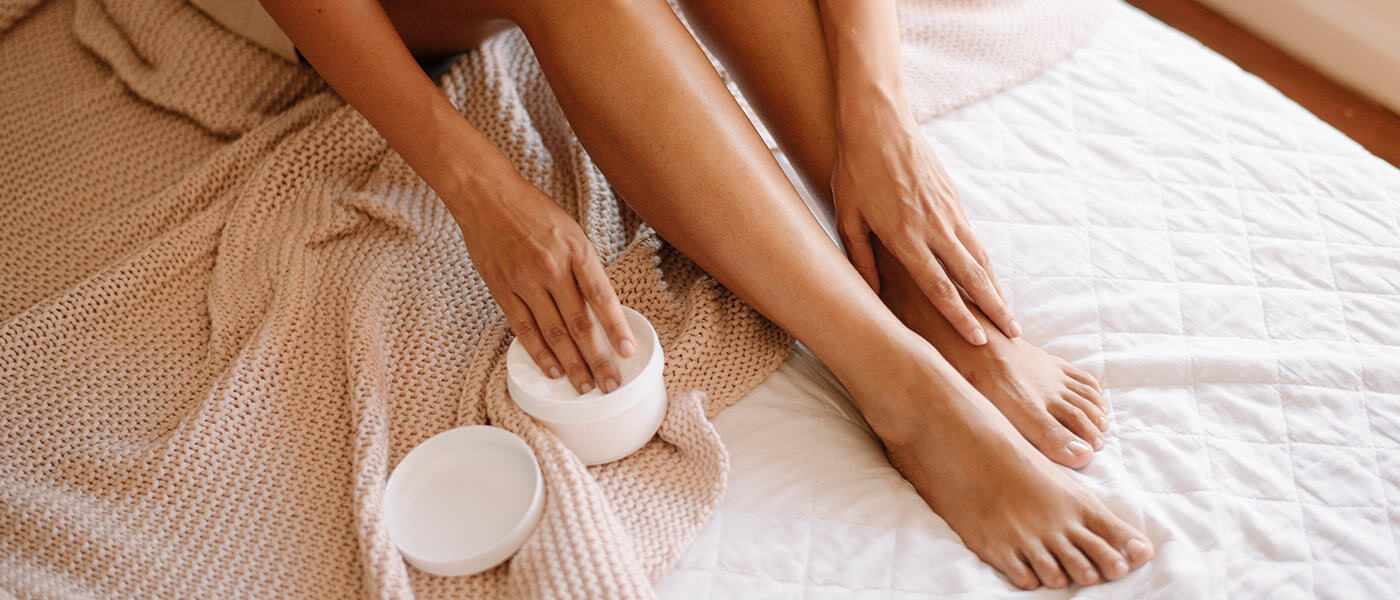
Dry Winter Skin? Best Routine & Natural Care
Cold wind, dry air and warm heating: winter is a challenge for your skin. The uncomfortable feeling of extremely dry winter skin can not only be annoying, but can also lead to chronic skin conditions such as eczema and other problems due to reduced skin function if you don't take proper care of it. Fortunately, with the right skincare routine and natural tips, you can keep your skin healthy and supple, even during the coldest months.
What is winter skin and what causes it?
“Winter skin” is mainly caused by a combination of low temperatures, dry air and indoor heating. These factors are stressful for your skin, weakening the skin barrier and causing moisture to evaporate more quickly. The result? Dry, irritated skin that can sometimes even itch or flake. And because sebum production decreases, especially in winter, your skin is also less well protected against harmful external influences.
Why is atopic skin extra sensitive in winter?
Do you have skin that is prone to atopy, such as eczema or extreme sensitivity? Then winter is extra stressful for your skin. The skin barrier function of atopic skin is naturally more vulnerable, making it prone to irritation and redness. Therefore, always choose mild, fragrance-free care products and avoid aggressive cleansers and other harmful ingredients. Rich, nourishing formulas with natural lipids also help to soothe your skin and retain moisture.
Skincare routines for dry body skin in winter
The right routine makes all the difference! Start with a short, lukewarm shower to prevent further dehydration. Use a mild cleanser that does not unnecessarily strip the skin of its natural oils. After showering, it is important to immediately apply a rich body cream or oil. Choose products with natural plant oils and butters that help to restore the skin barrier and retain moisture.
Do not apply too thickly: natural body lotions and balms are super effective and efficient to use. Just use enough, that's always the perfect amount! Avoid synthetic perfumes and preservatives, as these can further irritate dry skin.
Step-by-step care routines for dry skin in winter
Routine for “normal” winter skin
- Step 1: Gentle cleansing
Use a gentle, natural shower gel or cleansing balm without sulphates. This cleanses your skin without removing its natural oils. - Step 2: Nourishing scrub
Exfoliate once a week with a mild, organic body scrub based on organic shea butter or cocoa butter and mild exfoliants such as sugar, salt or vegetable fibres. This intensively nourishes your skin and removes dead skin cells, allowing skincare products to be better absorbed. Rinse off the scrub with lukewarm water. - Step 3: Hydration
After showering, apply a rich body lotion, skin oil or body butter with ingredients such as shea butter and jojoba oil. These restore the moisture balance and strengthen the skin barrier. - Step 4: Extra nourishment & protection
If necessary, use a multifunctional balm, such as Odylique Ultra Rich Balm, over your body lotion. This provides extra nourishment and protection and effectively prevents dryness and flaking.
Routine for sensitive or atopic winter skin*
- Step 1: Gentle cleansing
Choose a hypoallergenic, fragrance-free body wash based on natural oils, naturally free from aggressive sulphates. - Step 2: Nourishing scrub
Once or twice a week, gently apply a super-soft balm-like body scrub, based on beneficial pure organic shea butter or cocoa butter, to wet skin (while showering), but be careful: without actively scrubbing or rubbing.
A great skin-improving body scrub for very sensitive skin and eczema is, for example, the hypoallergenic Odylique Coconut Candy Scrub. The beneficial shea and cocoa butters nourish your skin and protect it from drying out, and the mild exfoliating effect of the cane sugar gently removes dead skin cells without mechanical friction. This makes your skin softer, more supple and better hydrated, allowing body lotions and balms to be absorbed more effectively.
Don't forget to rinse the body scrub thoroughly with lukewarm water: you will immediately feel your skin feeling comfortably soft and supple. - Step 3: Hydration
It is better not to apply skin oil to very dry atopic skin: on this skin type, this can cause a “stewing effect” because very dry skin cannot absorb the oil properly. Instead, apply a rich, nourishing and moisturising body lotion or body butter with soothing ingredients. Make sure it is suitable for very sensitive skin by selecting the right products on our website using the “Hypoallergenic” filter under “Composition”. Odylique's hypoallergenic Repair Lotion has been specially developed for extremely sensitive skin and skin with eczema. - Step 4: Extra nourishment & protection
Apply a nourishing and soothing balm over your body lotion. This step provides extra nourishment and protection and effectively prevents dryness and flaking. Choose a hypoallergenic, organic balm without perfume that soothes the skin and contains restorative lipids to strengthen the skin barrier, such as Odylique Calendula Balm.
* For dry, sensitive and atopic skin, only use hypoallergenic care products without known irritating ingredients: select the “Hypoallergenic” option under the “Composition” filter on our website.
3 Extra tips for winter skin
Tip 1: Care for your skin every day according to our body care routines for dry skin. Apply moisturiser to your skin at least twice a day, but never too thickly.
Tip 2: Take short, lukewarm showers and avoid hot water. Hot water dries out the skin and disrupts its natural oils.
Tip 3: Ensure sufficient humidity in your home. A humidifier helps to combat dry air caused by heating, reducing skin dryness.
Why natural care works better
Natural skin care is mild, nourishing and free from aggressive substances that can stress the skin. Vegetable oils and butters contain essential fatty acids that restore the skin barrier and reduce irritation. What's more, these products are often organic and sustainable, which is not only good for your skin, but also for the environment.
FAQ – Frequently asked questions about winter skin
1. What is the difference between winter skin and dry skin? Winter skin is caused by external factors such as cold and dry air, while dry skin can also be genetically determined.
2. How can I recognise atopic skin problems in winter? You often see redness, flaking and itching. The skin feels tight and reacts quickly to stimuli.
3. Which ingredients should I avoid? Avoid synthetic fragrances, alcohol and harsh cleansers. Choose mild, natural formulas.
4. How often should I moisturise my skin? At least twice a day, and always immediately after showering.
5. How can I prevent dry skin caused by heating? Use a humidifier and apply a nourishing cream or oil regularly.
Browse our collection of natural body care and discover the best body lotions, scrubs and balms for healthy winter skin.